TradeVanta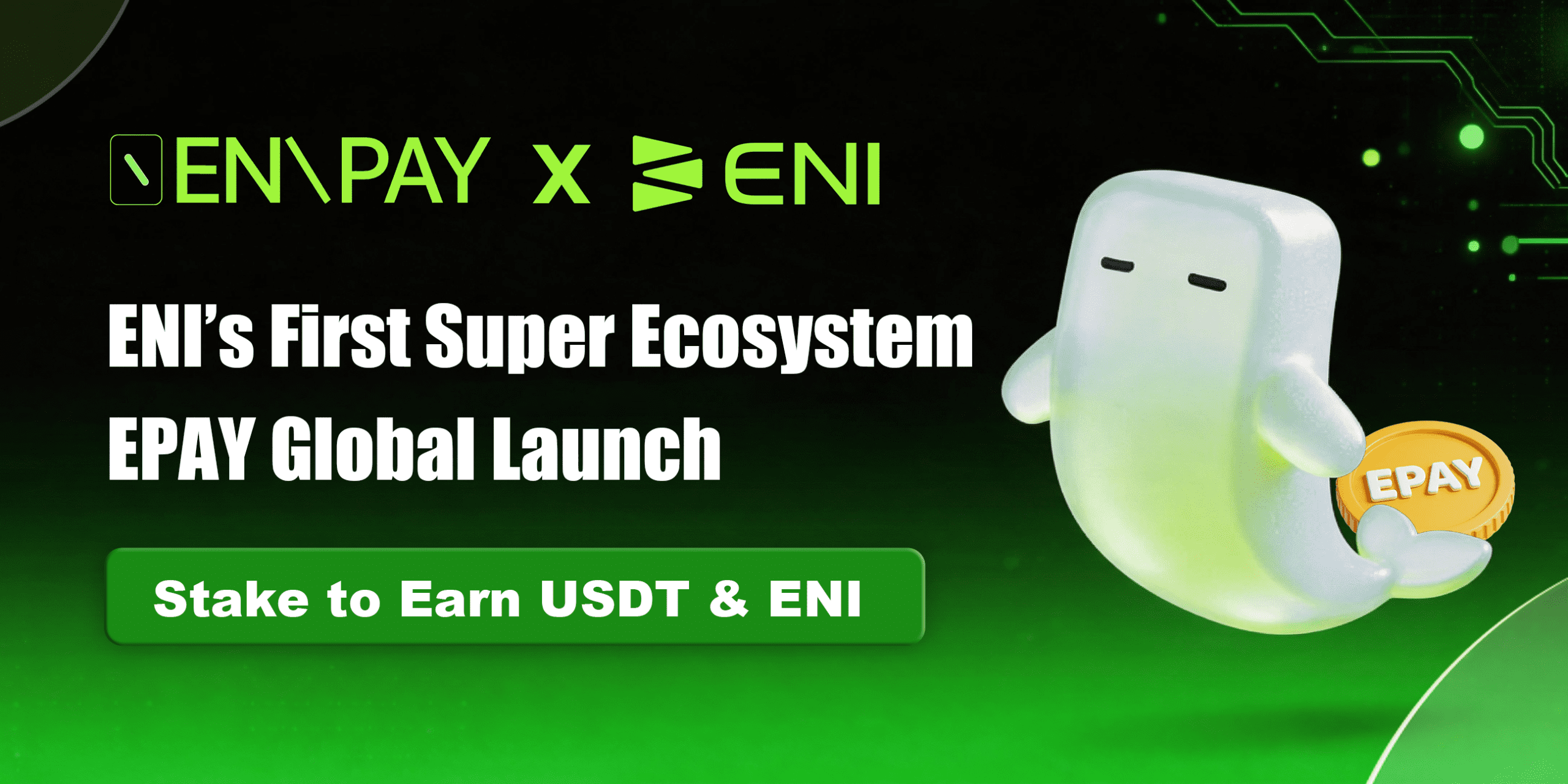
For years, the crypto industry has focused heavily on trading, speculation, and short-term narratives. While blockchain technology continued to evolve, one major problem remained unsolved: digital assets still lacked large-scale real-world payment utility.
EPAY was created to change that.
As a core ecosystem within the ENIPAY global payment network, EPAY is designed to bridge blockchain finance with real-world global consumption. Instead of building another isolated crypto platform, EPAY focuses on creating a complete digital payment ecosystem powered by stablecoins, on-chain settlement, and global payment infrastructure.
Through the ENIPAY network, users can access stablecoin accounts, Visa and Mastercard payment systems, QR payment channels, and integrated digital financial services — allowing crypto assets to move seamlessly between Web3 and everyday life.
This means digital assets are no longer limited to holding or transferring. They can now support real spending, merchant settlement, cross-border transactions, and future AI-powered payment activities.
What makes EPAY different is its ecosystem-driven economic model.
Most crypto projects rely on market hype and token speculation. EPAY is designed around continuous payment traffic and real financial flow. Every payment interaction, merchant transaction, and ecosystem activity contributes to platform liquidity and long-term value circulation.
As stablecoins become increasingly important in global finance, the demand for compliant, scalable, and user-friendly payment infrastructure will continue to grow rapidly. At the same time, the rise of AI Agents and autonomous digital commerce is creating an entirely new market for programmable payments.
EPAY positions itself at the intersection of these two global trends:
the expansion of digital payments and the emergence of AI-driven economies.
Rather than simply becoming another payment application, EPAY aims to evolve into a long-term financial ecosystem where payment, liquidity, digital assets, and global commerce operate together within one unified network.